ANÚNA EDUCATION PROGRAMME
CO-ORDINATOR LUCY CHAMPION
THE ANÚNA Education Programme
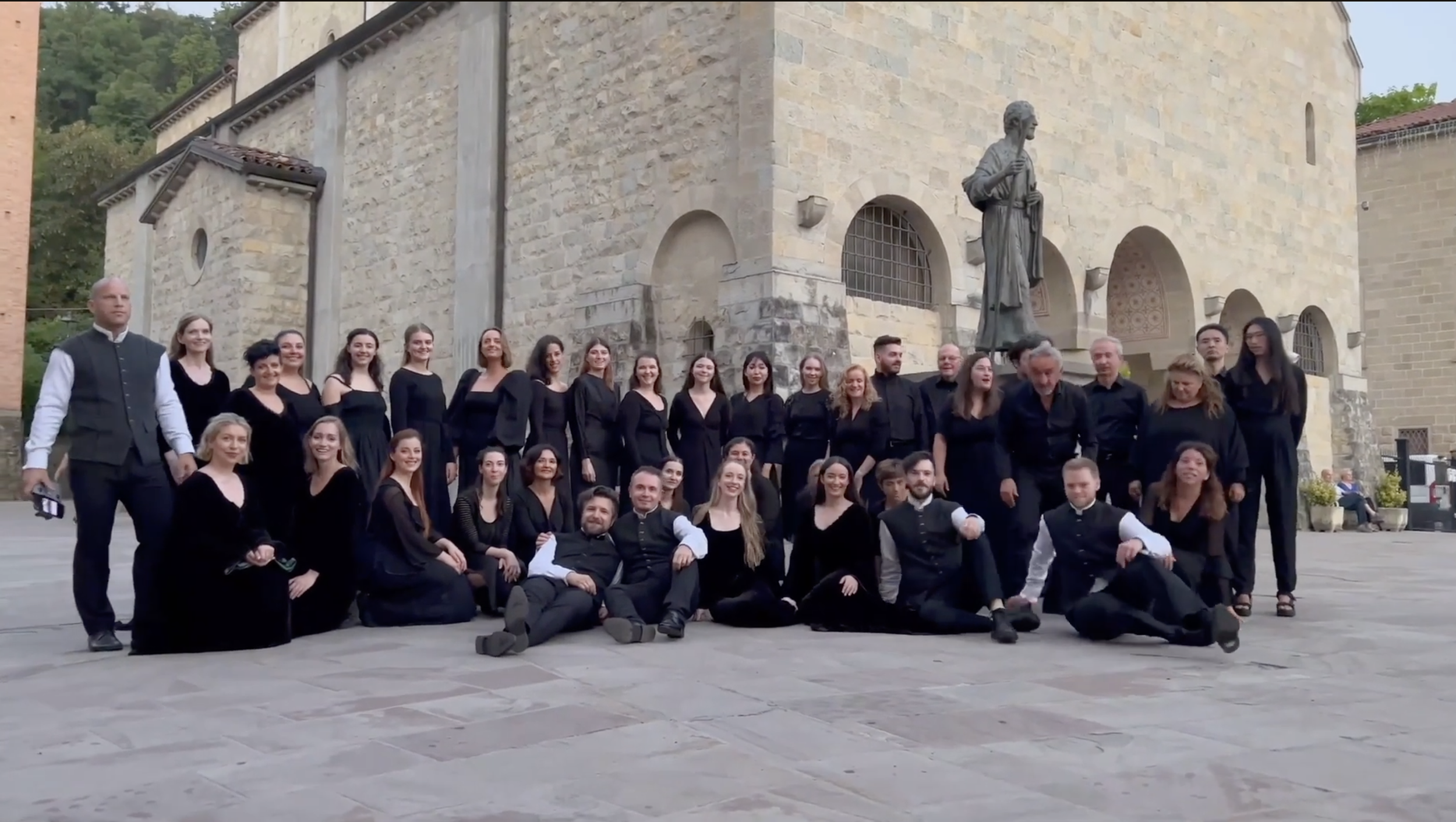
Anúna has travelled on a singular road in the world of vocal music. Over the last two decades we have developed specific methodologies that have evolved from the unique nature of our performance practices and history. These techniques have a universal relevance that can be applied equally to amateur, youth and professional ensembles and solo singers. This programme was created by Michael McGlynn and Lucy Champion.
The Anúna Education Project developed gradually from a series of informal workshops led alongside the performing work of the ensemble, and over time evolved into a small number of recurring residential schools and focused training environments. For more than fifteen years these schools and workshops have been inaugurated between Ireland, the Netherlands and Italy, while related workshops and short programmes have taken place internationally, including in Canada, Japan, and China. Rather than forming a conventional institutional structure, the ANÚNA Education project remains a flexible educational framework shaped directly by artistic practice and by the experience of working with singers of different ages, cultures, and musical backgrounds.
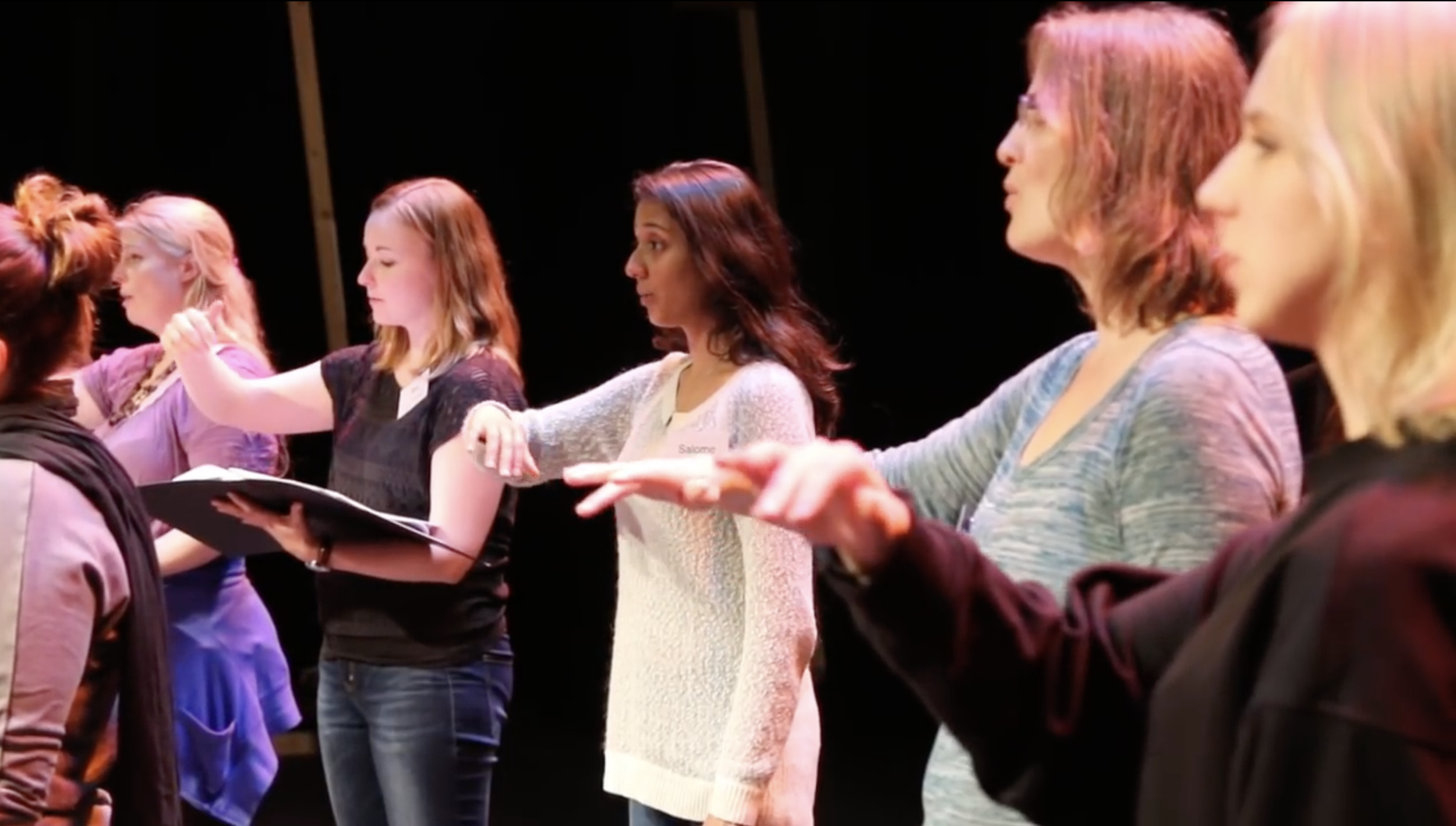
At the centre of the work is the idea that singing begins with the individual’s active awareness of themselves as the instrument. The technique therefore does not start from musical instruction, repertoire, or conductor direction, but from a simple recognition of breath, presence, and personal responsibility in making sound. This emphasis on proactive engagement shifts the singer from passive participation toward conscious involvement, allowing ensemble music to emerge from individual attention rather than external control. This area of our work is led by Lucy Champion, a qualified Alexander Technique teacher.
A second element of the ANÚNA Education Programme is the careful questioning of inherited habits within choral practice. Many conventional methods place authority and creative decision making outside the singer, which can reduce personal responsiveness and awareness. The educational work instead seeks clarity and reduction, removing unnecessary technical language and procedural complexity so that singers can rediscover direct listening, shared timing and collective sensitivity through experience rather than instruction.
Attending an Anúna education event is intended to be a distinctive and reflective experience in which familiar assumptions about communal singing are examined rather than reinforced. Participants are invited to reconsider what it means to sing together, with sustained attention given to physical presence, breath, and the dynamic relationship between individual awareness and collective sound. Within this process, the function of the conductor is openly explored and carefully defined in relation to the capability and responsiveness of the ensemble. The purpose is not the conventional improvement of choral polish or the production of a finished musical result, but the cultivation of conscious, proactive engagement from singers and directors alike, so that each participant understands their role within the whole. Central to many of these schools is the direct involvement of the composer Michael McGlynn, whose presence enables participants to choose to work with a living composer on his own music, often revealing deeper musical movement, understanding, and expressive possibility than can emerge through interpretation of established repertoire alone.
Workshop areas of focus
• Examining assumptions about singing together in a community setting
• Physical awareness, posture, and embodied presence in sound production
• Breath as the foundation of individual and collective musical action
• Listening and interaction between singers within the ensemble space
• The evolving and contextual role of the conductor
• Proactive responsibility of each singer within the whole group
• Exploration of musical meaning beyond technical polish or performance outcome
• Direct artistic dialogue through working with the living composer and his repertoire
For us, breath is not only as a physical process but a shared human action that connects psychological awareness, social presence, and musical expression. Working with the breath as the fundamental basis for all singing technique creates a foundation for confidence, attentiveness, and mutual listening from which singing can naturally grow, allowing vocal sound to arise from clarity, connection, and conscious participation.