
REVELATION
Released 2015, Danú 032
(Japan Only Release Vivo 270)
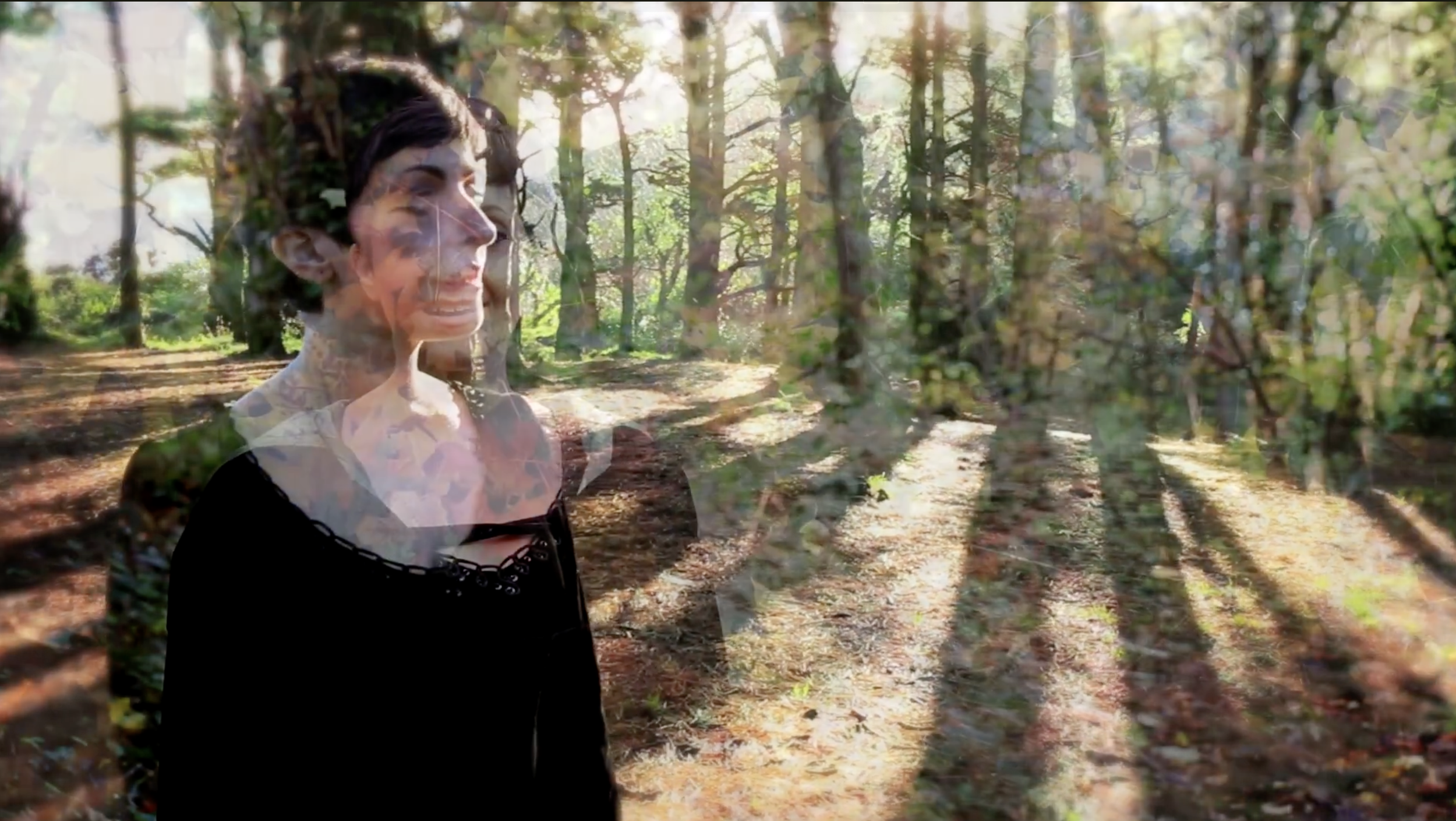
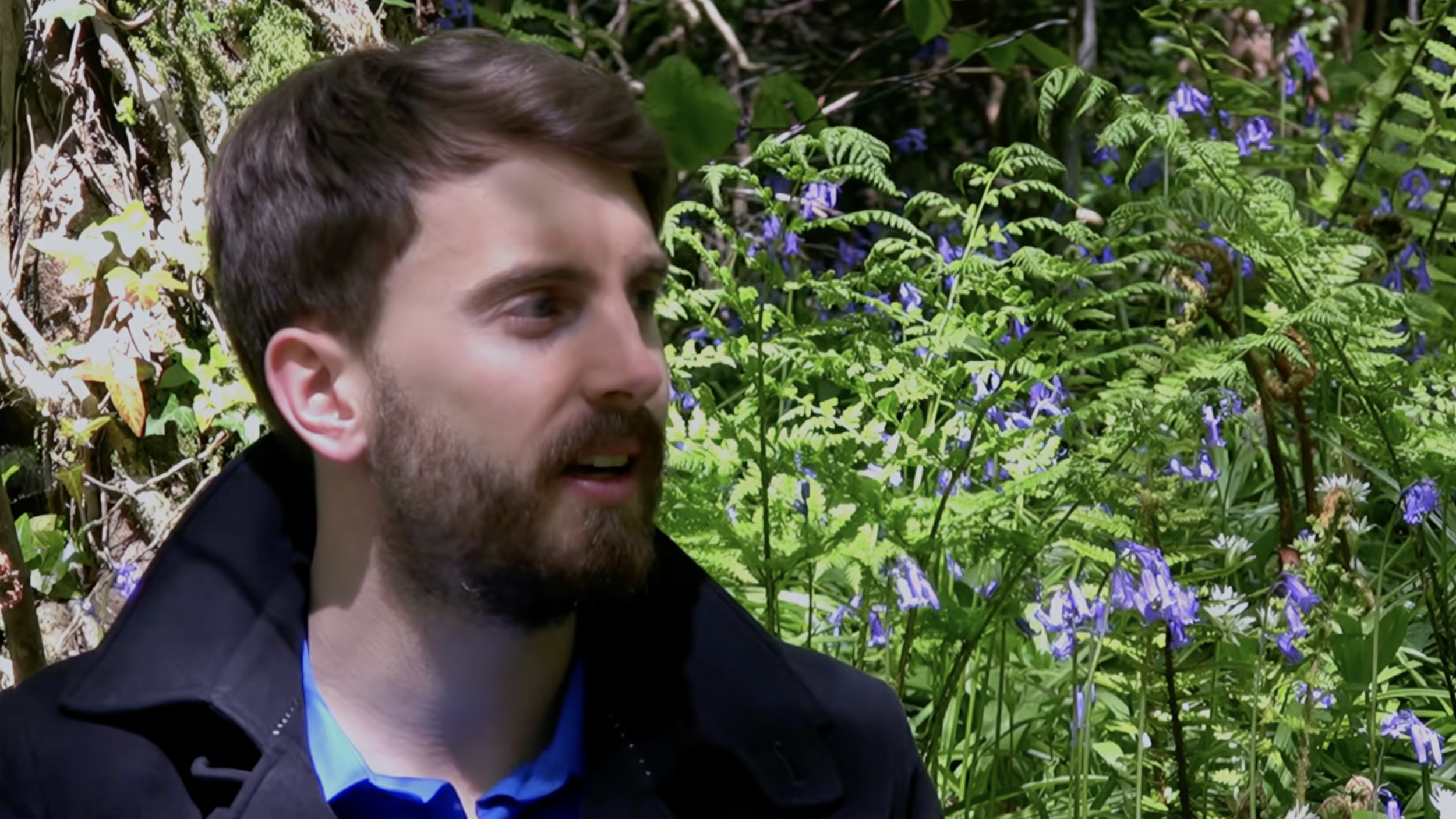
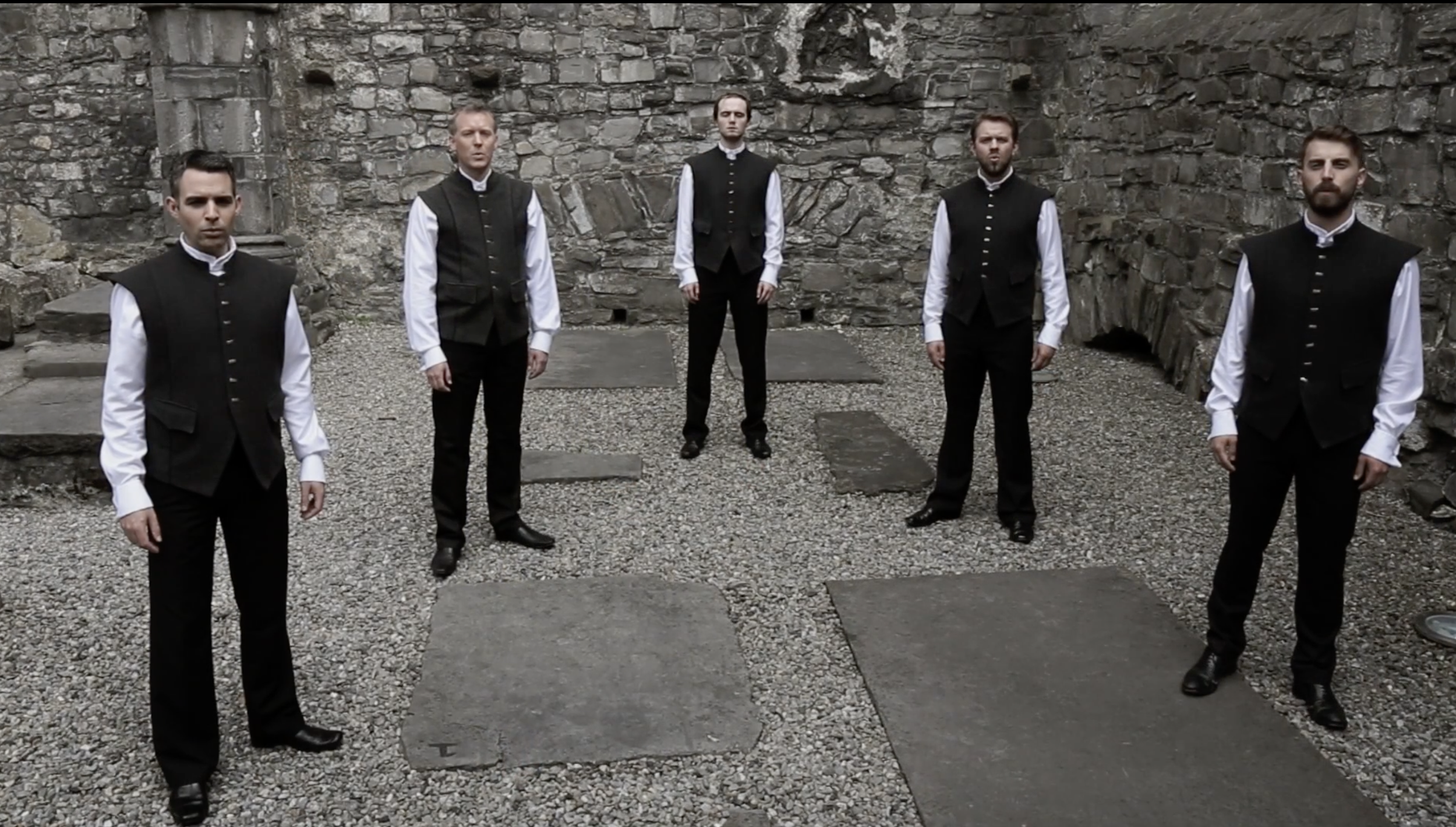
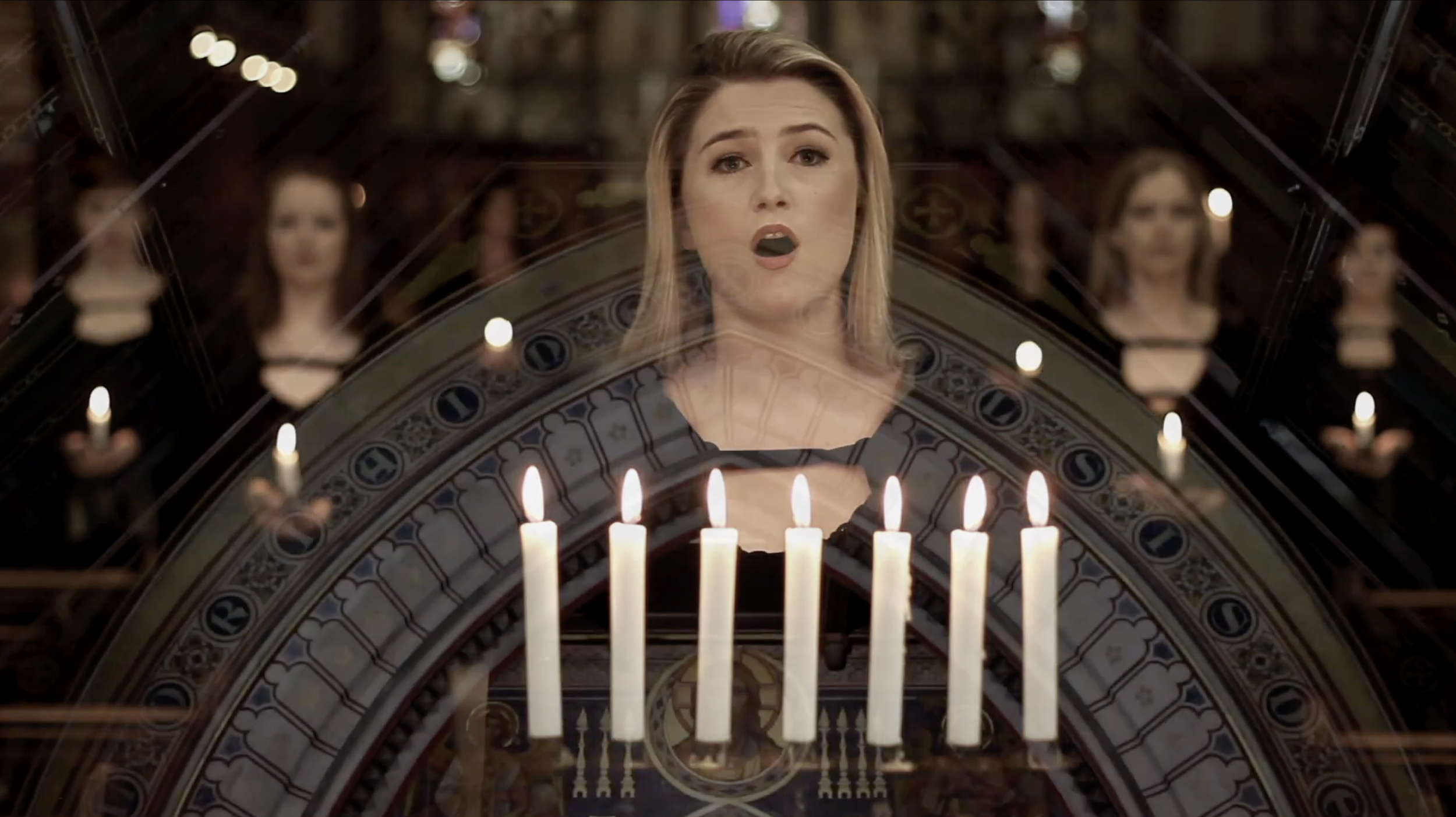
Mononoke Hime [3.49]
Fáilte don Éan (Welcome to the Bird) [3.28]
Na Coille Cumhra (The Fragrant Wood) [3.14]
Sanctus Santua [3.59]
One Last Song [3.21]
Elegy [2.18]
The Maid of Coolmore [3.00]
Amhrán na Gaoithe (Song of the Wind) [4.39]
Revelation [6.21]
Love’s Old Sweet Song [4.08]
Sakura [4.17]
Fill, fill a Rún (Come back My Love) [5.24]
Produced by Brian Masterson & Michael McGlynn
Engineered and recorded by Brian Masterson at Soundscape Studios
and on location in Ireland assisted by George Janho.“Sakura”, “Mononoke Hime” & Amhrán na Gaoithe” conducted by Stacie Lee Rossow
“Mononoke Hime” lyrics used with the kind permission of Studio Ghibli.
Sheet Music available from www.michaelmcglynn.com - Anúna Teoranta 2015
ANÚNA
Artistic Director Michael McGlynn
Aidan Gately
Andrea Delaney
Bláth Conroy Murphy
Caitlin Frizzell
Dónal Kearney
Éabha McMahon
George Hutton
Ian Curran
Laura Inman
Lucy Champion
Miriam Blennerhassett
Monica Donlon
Nejc Rudel
Nickolas Stoppel
Rachel Thompson
Rebekah Comerford
Regina McDonald
Sam Kreidenweis
Sara Di Bella
Shane McCormack
Zachary Trouton
After a long silence Revelation appeared in 2015. The previous release, Illuminations, was a 25th anniversary project and I had not conceived it as an original album, more of a compilation. By 2014 one era of the group had ended and I was not confident that another one was beginning just yet. But Revelation managed to usher in a new age for ANÚNA, one that is still developing today.
A number of new members arrived and for the first time international singers became a regular presence and today make up the majority in ANÚNA. This changed the way the group functioned fundamentally. New methodologies were needed to cohere the ensemble, to take advantage of the experiences and vocal capabilities of these singers. We had our first large influx of singers joining the ensemble from Northern Ireland too. Some of our earliest concerts took place there during periods of violence. Our performances were all about bringing the entire community together and I think that is why we are still so warmly welcomed there right through to today.
Between 2006 and 2015 the way people listened to music changed almost completely. The industry moved from physical discs and downloads toward streaming. Today younger people don’t remember a time when you could not instantly access almost any recording in the world. In 2006 music was still discovered slowly. We found albums through the music press, through friends, or by walking into a record shop and picking something up because the cover caught our eye. By the time Revelation appeared people were still listening to albums in sequence, but the industry around something so fundamental to the art of album format was already collapsing. Revelation was our first release that appeared simultaneously on CD and on streaming platforms. After a very short while I noticed that numbers were climbing very fast and the album has since accumulated just under 13 million streams on Spotify and remains our most successful release to date.
The previous proper album had been Sensation, nine years earlier. Revelation feels as different to it as Cynara was to Sensation. Revelation uses no instruments except for a short harmonica solo played by my uncle John McGlynn and that features as a postlude to the piece that acts as the central beating heart of the album, “One Last Song” - a song about a dying soldier. Revelation is shaped by loss. During the winter of 2014 my father Andrew became seriously ill and died early in 2015. I was touring constantly and did not fully take in what was happening and in many ways this album is about loss and working through grief. “Elegy” was the moment after death and it was a profoundly special part of the session. John is a natural musician of immense talent, and his own sadness makes this short piece poignant and powerful. The harmonica is the kind of sound that might carry across a quiet battlefield. Once the last notes of this humble but beautiful instrument fade away, “Elegy” then transforms into a semi-improvised shinning Latin prayer, “Dulce lumen et delectabile est oculis videre solem” (Truly the light is sweet, and it is good for the eyes to see the sun) taking us away from the horrors of the battlefield, rising to a sudden thrilling climax of transcendence.
This recording returned to the way the earliest ANÚNA albums were made. The aim was to capture performances raw and fragile. Revelation was the first time I began putting new music in front of singers immediately before recording. The result is that some of the performances have an edge unlike other ensembles working at the same level as we do. Every choir in the world aspires today to a flawless perfection that can eliminate the accessibility of their singing to a general audience simply because it leaves no access point for the listener. The industry in 2015, and onwards, has become obsessed with perfection - perfect pitch, perfect phrasing, perfectly aligned entries. When everything is polished to that level it begins to sound bland in my opinion. Revelation was my attempt to move in the opposite direction with ANÚNA, and probably the moment when I stopped referring casually to the group as a choir.
The album moves between extremes of mood. At one end is the melancholic warmth of “Love’s Old Sweet Song” and at the other is the stark and fragmented title song, “Revelation”. “Love’s Old Sweet Song” is an Irish song first published in the nineteenth century and was not my choice but my father’s suggestion. He had explained how these Victorian and early 20th century songs were part of the essence of an Ireland that was vanishing. These were songs loved by my grandparents, songs we sang at family gatherings when I was young. I sang this solo on the recording because of this. I felt the need to tie myself to a part of my childhood that was so important to me. “Revelation” could not be more contrasting. The four archangels hold back the winds of destruction from the earth on the last days. The music came together, almost unconsciously, in fragments that eventually found their own structure in the edit. The recording was made in St Patrick’s Church in Drogheda, and I distinctly remember laying out the music all over the floor for the singers with no idea how I would assemble the segments together. It was a thrilling experiences for all of us. As we recorded I changed the music, almost as if it was plastic rather than fixed in any standard way. The two soloists on this piece, Andrea Delaney and Lucy Champion, make stunning contributions.
Hayao Miyazaki’s film Princess Mononoke had been a hugely important film for me when I was younger and, inappropriate as it was due to their age, both of our children had been watching it repeatedly since early childhood. The film is brutal and beautiful at the same time with a stunningly beautiful theme song “Mononoke Hime”. The soundscape of the piece is unlike anything we had done before. The harmonies follow Joe Hisaishi’s original in most places, but the central part of the arrangement shifts into something darker and more angular which I take full responsibility for. Sara Di Bella sings the solo, and it has to be one of the most insightful performances given by any ANÚNA singer. Her classical training combines with her love of the film to produce a performance that I would definitely number among the best we have done on record.
“Sakura” is a setting of a Japanese folk song welcoming the Spring. I chose not to paint the sakura blossom in pastel shades, rather I wanted to explore the modal essence of the song. Consequently the entire piece is stuck in a single mode and paints the blossom in monochromatic greys. George Hutton’s solo on “The Maid of Coolmore” remains one of my favourite moments on the album. George is from the town of Culmore outside Derry city and sings the song with no artifice nor unnecessary emotional decoration. The harmonies around him grow increasingly complex but his performance is direct. This is the essence of good story telling. Nothing should interfere with the transmission of the story. “Sanctus Sanctua” was written for the Basque choir Kantika Korala, conducted by Basilio Astulez Duque. They are a remarkable and energetic group of young singers, and their own recorded performance is very fine. But I wanted to pull that energy out of this performance, focussing on the soprano solo sung by Rachel Thompson. She succeeds in tying the performance together in a way that makes it bright and tense. This is not a comforting piece and probably reflects my own emotions at that time.
Four songs on Revelation are in the Irish language. “Na Coille Cumhra” and “Fáilte don Éan” were written at the same time and are companions. The first is a love song that imagines a place beyond death itself, the eternal fragrant forest. I asked Dónal Kearney to sing the solo on this piece as it needed the voice of a young man, one full of energy and life rather than myself who was full of darkness and grief. There is a moment when love seems capable of transcending everything, even death itself. Dónal’s fine singing accesses that feeling of overwhelming joy in a way I could not anymore. The harmonies are complex, over-wrought and disturbed, harkening back to “Blackthorn” in places from 1996 - another ambiguous piece. Love has power but it cannot hold back death. “Fáilte don Éan”, sung by Lynn Hilary, is lighter on the surface but equally full of complex contradictions. The poet hears the bird but focuses not on its beautiful song, only on the bitterness of never having seen it. Her final notes take us away from this dark place and into the realm of the bird itself.
The album also contains “Amhrán na Gaoithe”, originally written for Chanticleer in 2013. The version here was prepared specifically for ANÚNA. This has become a concert standard for us since then, and requires a high level of musical engagement from the singers. It probably contains some of my best vocal writing and chordal structures, and it is one of my songs that I love singing in ANÚNA. “Fill, Fill a Rún”, sung by Éabha McMahon, closes the album with a dark story of regret and loss. Her distinctive sean-nós style, set against an eerie and shifting accompaniment, leaves the recording with no sense that we are free of it. Maybe that was deliberate. Revelation doesn’t end conclusively and I think I felt that leaving it with that sense of incompleteness was important.
Brian Masterson did an amazing job engineering Revelation. It was the first time we felt that ANÚNA was moving forward into the unknown. The next year, 2016 brought the release of the EP Sunshine | Shadows and then a series of compilations including Selected I and II, A Christmas Selection (all released in 2017 to celebrate our 30th Anniversary), two spiritual compilations Transcendence and Sanctum (2025) and culminating in Tochairm also released in 2025. It was eight more years before the appearance of Otherworld in 2023 with its companion Eilífð arriving two years later in 2025.
Mononoke Hime (Spirit Princess)
Written by Joe Hisaishi, copyright Studio Ghibli.
Theme from the film “Princess Mononoke” (もののけ姫) created by Hayao Miyazaki.
This choral arrangement is by Michael McGlynn.
Solo voice Sara Di Bella
Descant Lucy Champion
はりつめた弓のふるえる弦よ
月の光にざわめくおまえの心
とぎすまされた刃の美しい
そのきっさきによく似たそなたの横顔
悲しみと怒りにひそむまことの心を
知るは森の精
もののけたちだけもののけたちだけ
O trembling string of the tightly drawn bow,
your heart rustling in the moonlight.
Beautiful as a honed blade,
your profile so like its sharpened tip.
The true heart hidden in sorrow and anger
is known only by the spirits of the forest,
only by the yōkai, only by the yōkai.
Fáilte don Éan (Welcome to the Bird)
Music by Michael McGlynn, text by the blind Ulster poet Séamus Dall Mac Cuarta (1650 to 1733)
Solo vocal Lynn Hilary
Fáilte don éan is binne ar chraoibh
Labhras ar caoin na dtor le gréin.
Domsa is fada tuirse an tsaoil
Nach bhfeiceann í le teacht an fhéir.
Cluinim, cé nach bhfeicim a gné,
Seinnm an éan darb ainm cuach;
Amharc uirthi i mbarra géag
Mo thuirse ghéar nach mise fuair.
Gach neach dá bhfeiceann cruth an éin,
Amharc Éireann deas is tuaidh,
Blátha na dtulca ar gach taoibh,
Dóibh is aoibhinn bheith dá lua.
Welcome to the bird, the sweetest on the trees
Who sings the beauty of greenery to the sun.
I am long tired of this life
For I cannot see her when the new grass comes.
I can hear it, though I cannot see her,
The chant of the bird they call cuckoo;
To look on her in the branches above
It is my bitter grief that I don’t have that gift.
Each one may behold the charm of the bird,
For all Ireland is gazing, north and south,
With all of the flowers on the hills around,
And everyone can speak of such things with delight.
(Abridged)
Na Coille Cumhra (The Fragrant Wood)
Music by Michael McGlynn, text traditional Irish
Solo vocal Dónal Kearney
A chumainn is a shearc, rachaimid-ne seal
faoi choillte ag scaipeadh drúchta,
Mar a bhfaighimid-ne breac, is lon ar an nead,
an fia agus an boc ag búireadh;
A rún agus a shearc, gluaisfimid gan stad
go coillte breá glasa an Triúcha
A chúl álainn tais na bhfáinní cas,
is breá 's deas do shúile.
An t-éinín is binne ar ghéaga ag seinm
an chuaichín ar barr an iúir ghlais;
Is go bráth, bráth ní thiocfaidh an bás 'nár ngoire
i lár na coille cumhra.
My love and desire, we will go for a while
beneath the woods, scattering the dew.
We will find the trout and the blackbird on her nest,
the bellowing deer and stag.
My dear, my love, let us go without waiting
to the lovely green woods of Triúcha
Soft beautiful hair in twisting curls
your eyes are fine and lovely.
The sweetest bird singing on a branch
the cuckoo on the top of the green yew tree;
And death will never, never come to us
in the middle of the fragrant woods.
Sanctus Santua
Music by Michael McGlynn, text early Christian
Solo voice Rachel Thompson
Sanctus, Santua
Dominus Deus sabbaoth
Pleni sunt caeli et terra gloria tua,
Hosanna in excelsis.
Benedictus qui venit in nomine Domini.
Hosanna in excelsis
Holy, holy
Lord God of might;
Your glory fills all of heaven and earth
Hosanna in the highest.
Blessed is he who comes in the name of the Lord.
Hosanna in the highest
Commissioned by Kantika Korala, conductor Basilio Astulez Duque
One Last Song
Words and music by Michael McGlynn.
Solo voice Michael McGlynn
Sing me one last song that will carry me away
To the warm summer memory of home;
And that old melody softly echoes on the breeze,
To a pathway that I must walk alone.
I have loved, I have lain on the dewy morning fields
With a cloud of apple blossom in the air.
So lay me down.
I'm weary of the cries and distant drums.
One last farewell.
The time for endless sleep will come.
Sing me one last song as the evening shadows fall
From the gold chariot reaching from the west.
Raise up one last glass, as I hear the boatman call
And an old song will carry me to rest.
I have loved, I have lain on the dewy morning fields
With a cloud of apple blossom in the air.
So lay me down.
I'm weary of the cries and distant drums.
One last farewell.
The time for endless sleep has come.
Elegy
Music Michael McGlynn, text from the Book of Ecclesiasticus 11:7.
Blues Harp played by John McGlynn (senior)
Solo voice Rachel Thompson
Dulce lumen et delectabile est oculis videre solem
Truly the light is sweet, and it is good for the eyes to see the sun.
To an old soldier
The Maid of Coolmore
Traditional Irish, arranged Michael McGlynn
Solo voice George Hutton
From sweet Londonderry to fair London town
There is no better harbour on this coast can be found
Where the children do wander as they play along the shore
And the joy bells are ringing for the maid of Coolmore
The first time that I met her, she passed me by.
The next time that I saw her, she bid me goodbye
But the third time I met her, she grieved my heart sore
For she sailed down Lough Foyle and away from Coolmore.
If I had the power, a great storm to rise
The wind to blow high and the seas for to roar
The wind to blow high and to darken the skies
The day that my true love sailed away from Coolmore.
To the north coast of America my love I'll go see,
It is there I know no one and no one knows me.
But if I do not find her I'll return home no more
Like a pilgrim I'll wander for the maid of Coolmore.
Amhrán na Gaoithe (Song of the Wind)
Words and music by Michael McGlynn
Amhrán na gaoithe,
An at an taoide.
Ar na dtonnta fionnuar,
Scáth dorch' os cionn uisce liath
Song of the wind,
The swelling of the tide.
On the cool waves,
Dark shadow over grey water.
Commissioned by Chanticleer
Revelation
Music by Michael McGlynn, text from Revelation 7:1.
Solo voices Andrea Delaney & Lucy Champion
Semi Chorus Rachel Thompson, Cait Frizzell, Lucy Champion, Bláth Conroy Murphy.
Archangeli.
Michael, Gabriel, Raphael, Uriel
Salva nos, Libera nos.
Post hæc vidi quattuor Angelos stantes super quattuor angulos terræ, tenentes quattuor ventos terræ ne flarent super terram, neque super mare, neque in ullam arborem.
Archangels.
Michael, Gabriel, Raphael, Uriel
Protect us, deliver us.
And after these things I saw four Angels standing on the four corners of the Earth, holding the four winds of the land, so that the wind may not blow upon the land, nor upon the sea, nor upon any tree.
Love's Old Sweet Song
Published first in 1884 with music by J.L. Molloy and lyrics by G. Clifton Bingham
Arranged by Michael McGlynn.
Solo voice Michael McGlynn
Once in the dear dead days beyond recall,
When on the world the mists began to fall,
Out of the dreams that rose in happy throng
Low to our hearts Love sang an old sweet song;
And in the dusk where fell the firelight gleam,
Softly it wove itself into our dream.
Just a song at twilight, when the lights are low,
And the flick'ring shadows softly come and go,
Tho' the heart be weary, sad the day and long,
Still to us at twilight comes Love's old song,
Comes Love's old sweet song.
Even today we hear Love's song of yore,
Deep in our hearts it dwells forevermore.
Footsteps may falter, weary grow the way,
Still we can hear it at the close of day.
So till the end, when life's dim shadows fall,
Love will be found the sweetest song of all.
Just a song at twilight, when the lights are low,
And the flick'ring shadows softly come and go,
Tho' the heart be weary, sad the day and long,
Still to us at twilight comes Love's old song,
Comes Love's old sweet song.
Sakura
Traditional Japanese arranged by Michael McGlynn
Descant Caitlin Frizzell
桜 桜 野山も里も
見渡す限り霞か雲か
朝日に匂う
桜 桜 花ざかり
桜 桜 弥生の空は
見渡す限り 霞か雲か
匂いぞ 出ずる
いざや いざや
見に行かん
Cherry blossoms, in fields and villages
As far as you can see.
Is it a mist, or clouds?
Fragrant in the morning sun.
Cherry blossoms, flowers in full bloom.
Cherry blossoms across the spring sky,
As far as you can see.
Is it a mist, or clouds?
Fragrant in the air.
Come now, come now, let us look, at last.
Fill, fill a Rún
Traditional Irish, arranged by Michael McGlynn
Solo voice Éabha McMahon
A dark and tragic story from the 18th century concerning the story of a young man who has taken a ministry in the Protestant faith during the Penal times in Ireland.
Fill, fill a rún ó
Fill, a rún is ná himigh uaim
Fill orm a chuisle is a stór
Agus chífidh tú an glóir má fhillean tú
Come back, come back my love
Come back my love and do not leave me
Come back to me my darling and my treasure
And you have glory if you return.