
Francis Ledwidge

As part of our 30th anniversary celebrations in 2017 Anúna performed at Richmond Barracks, Dublin on July 30th. This was one of the key events that took place that year, the centenary of Francis Ledwidge (19 August 1887 – 31 July 1917). Ledwidge's work has been a part of Anúna's repertoire over the last two decades mainly due to Artistic Director Michael McGlynn's deep affection for his writing.
"When I discovered Ledwidge for the first time through the academic work of Inchicore poet Liam O'Meara, it was like finding a kindred spirit" McGlynn says. "Ledwidge's use of natural imagery and the deceptive simplicity of his lyrics were immediately appealing to me and the first piece I set was "August" closely followed by
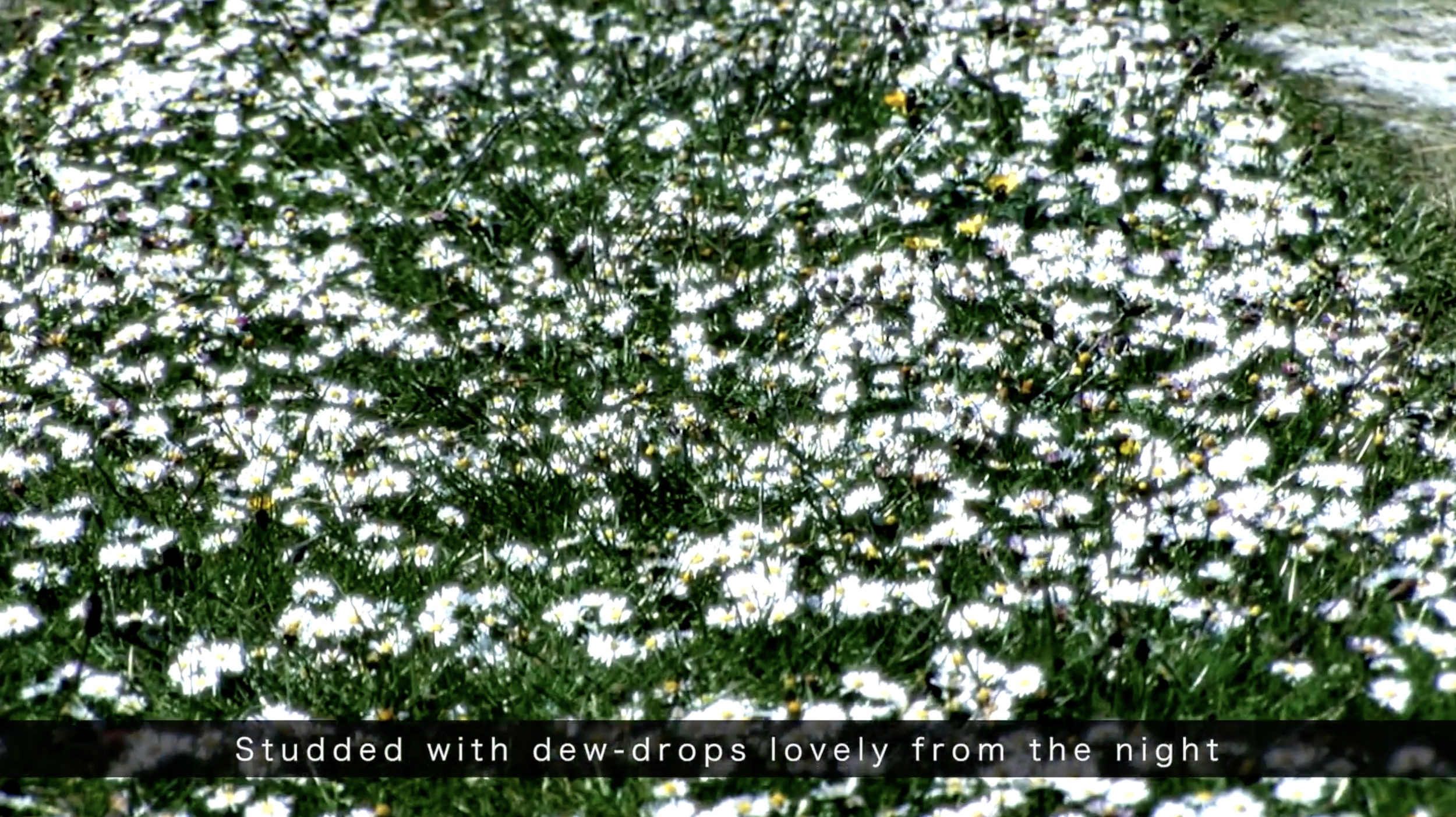
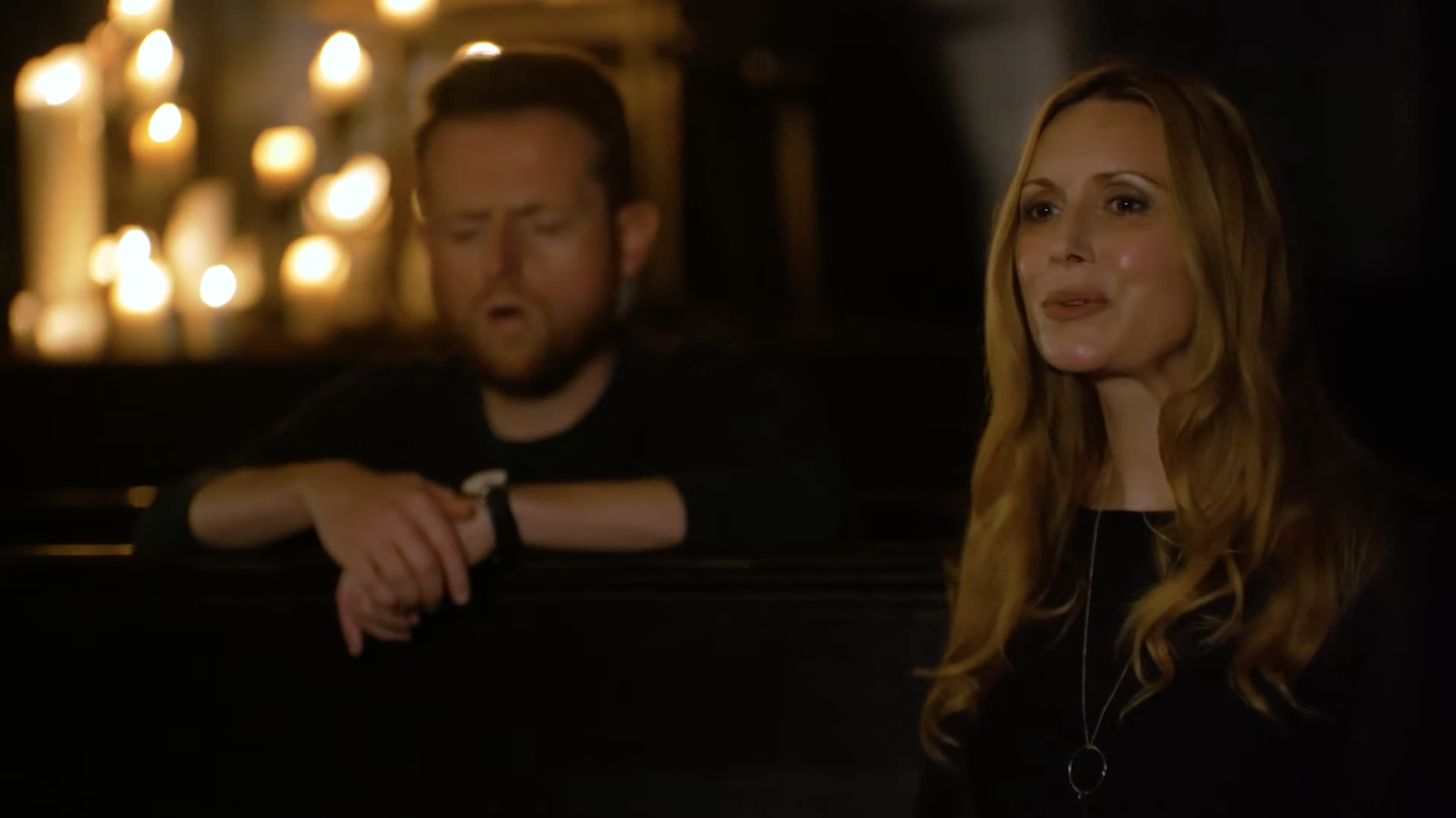
"A Soldier's Grave" which I titled "Midnight". But the setting of "The Lament for Thomas MacDonagh" was a great challenge as a composer. It was a piece that I was very familiar with. I couldn't connect successfully with the text until I appended the last verse of his poem "June" to the work. Concurrent with composing this work I heard of the very tragic and early demise of the singer Jeff Buckley whom I had worked with a few years previously. The piece fell into place then and I changed the title to "Where All Roses Go". British vocal ensemble Apollo5, led by Clare Stewart, popularised this setting recently with their beautiful recording of the song.
Over the last two decades I have taken his poetry around the world as Anúna has toured. Each new setting I make of his texts yields more and more layers of meaning, more subtlety and nuance. It is tantalising to think what he would have achieved if he had lived longer, but we should be grateful for what have. Ledwidge remains one of my greatest poetic inspirations."
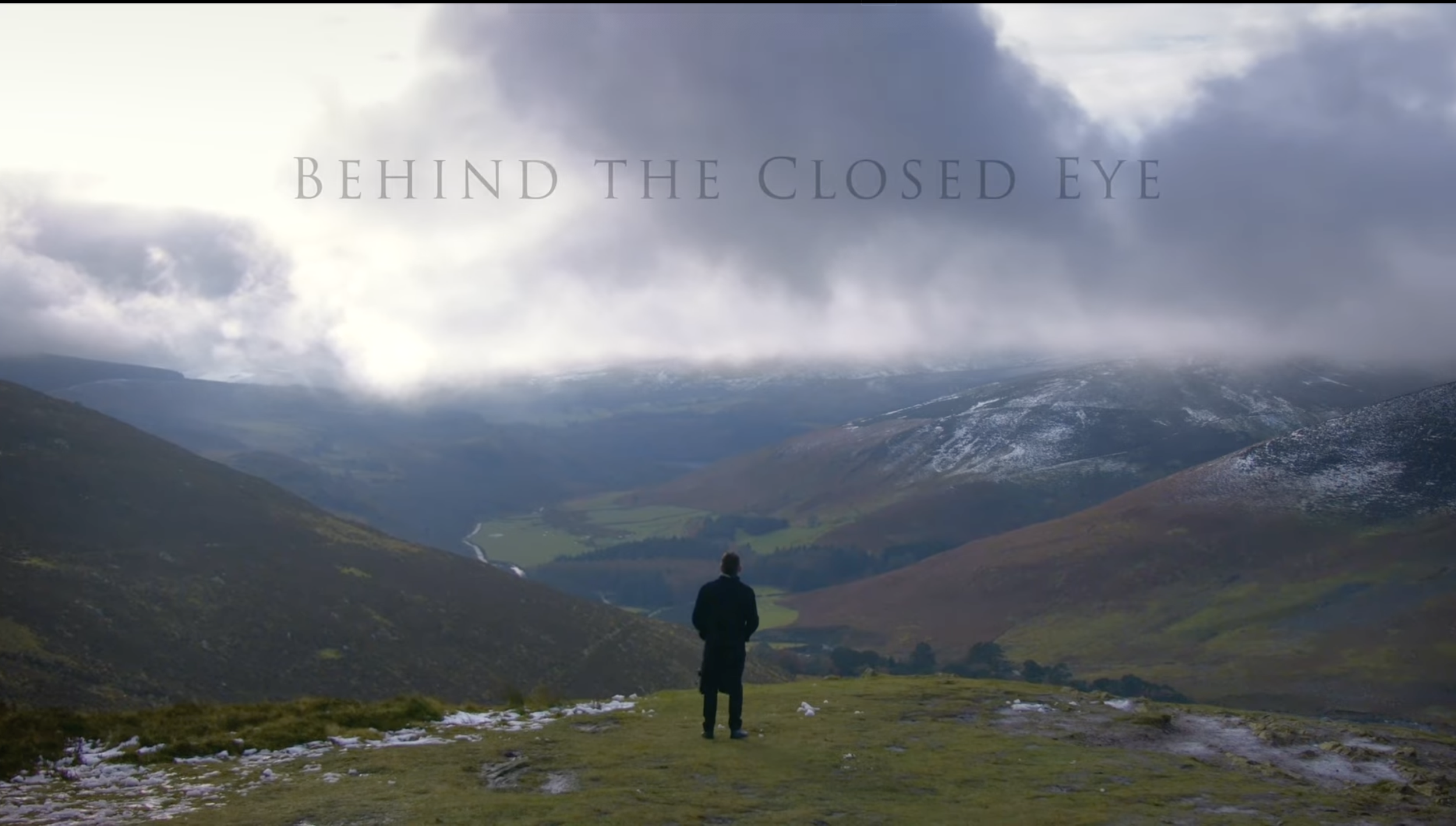
So much so that Michael created a full length documentary named after the 1997 album (released on the 70th anniversary of the death of the poet), which features many of Ledwidge’s fine works - you can see that below.
Where All Roses Go
He shall not hear the bittern cry
In the wild sky, where he is lain,
Nor voices of the sweeter birds,
Above the wailing of the rain
Nor shall he know when loud March blows
Thro’ slanting snows her fanfare shrill,
Blowing to flame the golden cup
Of many an upset daffodil.
But when the Dark Cow leaves the moor,
And pastures poor with greedy weeds,
Perhaps he’ll hear her low at morn,
Lifting her horn in pleasant meads.
Soon the swallows will be flying south,
The winds wheel north to gather in the snow.
Even the roses split on youth's red mouth
Will soon blow down the road all roses go.
The concert on July 30th 2017 featured a selection of Michael's settings of his work in a venue that is steeped in the atmosphere of 1917. Richmond Barracks, where Ledwidge was stationed, was a fitting place to remember this subtle and often under-appreciated poet who died on a Belgian battlefield on July 31st 1917.
Ledwidge was a uniquely Irish poet, tied to the beauty of the Irish landscape. His death cut short a rapidly developing poetic voice and his work has been somewhat neglected until recent times.
"Ledwidge has been a huge influence on me as a composer" says Michael McGlynn. "His vision of Ireland, its history and landscape find a sympathetic resonance in the more pastoral aspects of my own compositional voice. His wonderful poems have been a part of my life that I can't quantify easily. It is an honour to be able to give a musical voice to his poetry and even perhaps introduce a new generation to his sublime work.”