Illumination/Illuminations (2006)
Released Danú 029 (2012), 031 (2014)
Available HERE and on all streaming services
Japan only release Vivo 267
Design & Image Michael McGlynn
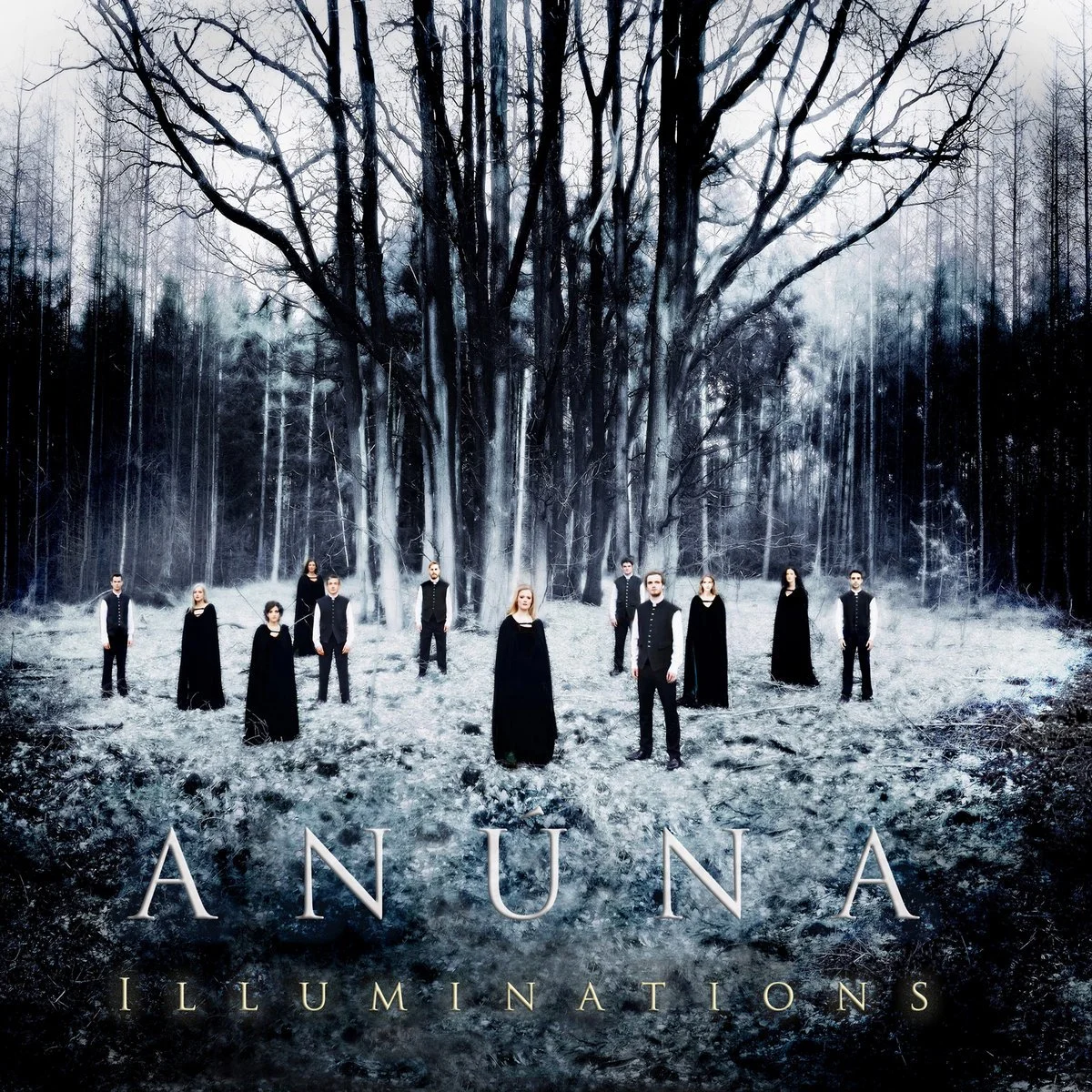
Design Michael McGlynn, Image Jasper Van Gheluwe
ILLUMINATIONS
Danú 032
La Chanson de Mardi Gras - 2.36
Illumination - 3.15
Mignonne Allons - 3.22
Siosúram Só - 3.00
Dormi Jesu - 3.59
Scarborough Fair - 3.17
Cúnnla - 1.34
Fionnghuala - 1.33
Ah, Robin - 3.42
Fegaidh Uaibh - 5.01
Summer Song - 3.16
Agincourt - 3.27
My Songs Shall Rise - 3.23
Greensleeves - 3.19
Danny Boy - 3.45
Summer Song (feat Lynn Hilary) available on Bandcamp release
All music written or arranged by Michael McGlynn
Produced by Michael McGlynn and Brian Masterson.
Engineered by Brian Masterson assisted by Alan Kelly in Dublin at Windmill Lane Studios, Soundscape Studios and St Paul’s Church, Glenageary, Dublin, 2010-2014.
Linda Lampenius sessions recorded and engineered by Joakim Holgersson, October 2014.
Windmill Lane sessions conducted by Dr Stacie Lee Rossow
The albums I had made up to the release of Illumination in 2012 existed mainly to show my own development as a composer and reflected where ANÚNA had reached on its journey to wherever we were going. There was no plan. They just happened sporadically every few years with increasing infrequency. I have never been a person to sit around twiddling my thumbs and to fill the gaps I began to make videos.
Between 2003 and about 2008 I made seven or eight short films using a basic standard-definition camera. The earliest two feature Lucy Champion, “Sleepsong” and “Siúil a Rúin” both of which were filmed in 2003 and 2004. Lucy sitting on a rock in the middle of a river heavily pregnant with Aisling, our first daughter: Lucy standing on a mountain top with Aisling at my feet, sporadically rolling down a hill when she overbalanced. The singers covered in ant flies or mud mimed to my music while trying to look mysterious and elegant. The level of technical competence of the videos was low, but the inspiration and the connection to landscape sincerely reflected my own creative output as a composer. These videos were initially created in an effort to get something on to the new TV platforms that were materialising, and were getting wide coverage for classical artists for the first time. Despite their crudity, both videos got on to Classic FM TV and the royalties from those repeated broadcast were enough to allow me to buy a high-definition camera and a proper editing system. Not only that but ANÚNA had defined something new - choral music was not just being a group of people singing in a concert environment. Instead the music and the visuals were making an artistic statement all of their own and ANÚNA was becoming associated with a new form of video making. Because I had no one to say how difficult some of the attempts at creating these videos were, particularly with no training in camera usage or editing and mastering, I just kept filming. One fine day in August of 2008 I filmed four videos - “August”, “Hinbarra”, “Ceann Dubh Dílis” and “Song of Oisín”. When I had amassed a considerable collection of them I decided to release a DVD, Invocations of Ireland in 2009. To my great surprise it was eventually broadcast on Sky Arts and released in Japan by Columbia Records.
The presence of a new visual representation of ANÚNA definitely increased awareness of the group that cleanly separated it from previous projects. At the same time I released the album Sanctus (Danú 025). It was essentially a compilation that gathered together earlier pieces of mine as performed by ANÚNA, with some newly recorded material. Among the additions were a nine minute Agnus Dei, commissioned from Chanticleer in 2006 as part of their multi-composer project And on Earth, Peace: A Chanticleer Mass. Also included were interesting recordings of Gregorio Allegri’s Miserere mei Deus and Antonio Lotti’s Crucifixus, the latter being one of the first pieces I had sung in my first serious choir The Camerata Singers.
I have never discussed my time with this ensemble before. The Camerata Singers were a very interesting ensemble led by conductor David Milne. The main focus of repertoire was early music. David was an instinctive musician. He and many of the singers were rooted in the Church of Ireland. Those of us from Roman Catholic backgrounds at that time had no access to singing music of this type or at the level that the ensemble attempted. We sang Gabrieli and Monteverdi with Crumhorns, music of the 15th and 16th century flowed through the ensemble and I owe so much to him and the other singers who tolerated my youth and inexperience. This was where I had sung the “Crucifixus” before. And the ANÚNA version is, to some extent, a reflection of the energy of The Camerata Singers’ performances.
Meanwhile something completely different was happening for ANÚNA. In 2011 Irish conductor Eímear Noone brought a production team from Blizzard Entertainment, led by composer Russell Brower, to Dublin to record us as part of the soundtrack for the video game Diablo III released in 2012. We spent long sessions in Windmill Lane Studios providing what were essentially the “voices of hell” for the game. Russell chose to use our sound in the most effective ways, and was a considerable influence on me. He is very brave, and I think his positivity about my work and his tales of his own career led me to be less conservative in what I was willing to create for ANÚNA. I can say that the piece “Revelation” (2015) was influenced by this interaction. During the sessions he told me that the sound of ANÚNA and my work was generally known among soundtrack writers in Hollywood, something I had never suspected before.
Probably the most important thing to happen prior to Illumination was my encountering Dr Stacie Lee Rossow, Associate Professor at Florida Atlantic University. She contacted me to inform me that she was undertaking a doctoral dissertation at the University of Miami titled The Choral Music of Irish Composer Michael McGlynn. Stacie met and interviewed me many times, forcing me to articulate my ideas both as a choral professional and a composer. This resulted in a complete change in the way I defined my music, putting all of it into perspective, not governed by my geographical location, but based on the reality of what I had created and achieved. I could not understand why anyone would dedicate that level of academic attention to my work at the time and I must have been awful to interview. But this interaction changed me as an artist and as a person.
She suggested that I attend the American Choral Directors Association conference in Chicago in 2011. I didn’t see much point to be honest. I knew her and her colleagues at FAU, but really no one else. What I didn’t realise was that my songs had travelled ahead of me. Over the decade previously my music had permeated the American choral community. Walking into that conference was one of the most disorienting experiences of my life. Conductors whose names I knew from recordings came to me and introduced themselves, all appearing to know who I was. Composers and choral singers told me stories about how my music had affected them. I was part of a community I had no idea existed. That realisation changed my understanding of what I was doing and why it mattered. It changed my perspective on the relevance of my life’s work.
Stacie’s involvement did not stop at the thesis. She came to Ireland and worked closely with us during the early ANÚNA summer schools which began in 2011. Those schools also brought in conductors such as Charles Bruffy of the Grammy winning Kansas City Chorale and Phoenix Chorale, the former releasing Artifacts: The Music of Michael McGlynn which won a producer Grammy some years later. Interactions with these professionals and ANÚNA’s own intense discussions in rehearsal, constantly questioning and consolidating ideas, eventually resulted in a clear methodology of performance, examining how text, breath, and ensemble listening functioned together now detailed as part of the Anúna Education Project. It seemed logical to ask Stacie to take some of the conducting roles on the new album.
In 2011 Brian Masterson and I began work on what would become Illumination. It was a very uncomfortable process. Something had changed for me. The sound felt closed in and confined. I kept asking for more air around the voices in the studio and later in the mix. Brian could not hear the problem in the same way. From his perspective the mixes were balanced. From mine, the album was not the sound of ANÚNA that I had come to hear naturally in my head. At the time I assumed the explanation was technical. We were working mainly in Windmill Lane Studios with additional work at Soundscape Studios. Microphone placement, layering and balance were discussed repeatedly. Nothing really changed my reaction. The more we worked on the mixes the more uneasy I felt about the sound of the album.
Eventually I went back to Brian after the first version was released in 2012 and suggested we remix the entire record. That process became Illuminations (Danú 031). The album was revisited. Some tracks were rebalanced or instrumental lines added. It was a complete revamp, not in the way the two versions of Omnis were conceived. At the core of my dissatisfaction lay something far more disquieting.
The record itself was conceived as a 25th anniversary project for ANÚNA in 2012, a curated reflection on where the group had come from. Unlike earlier albums that were written as unified statements, this one assembled music from different strands of the repertoire. Some pieces reached right back to the late 1980s, including “La Chanson de Mardi Gras” and “Agincourt”. Others were later commissions written for third parties, including work for the Kultursamverkan Svenska kyrkan, Rajaton, and The Frost Chorale at the University of Miami. These pieces had already developed lives outside of ANÚNA and I wanted to bring them into my own orbit, maybe adjust or reinterpret them as part of this anniversary.
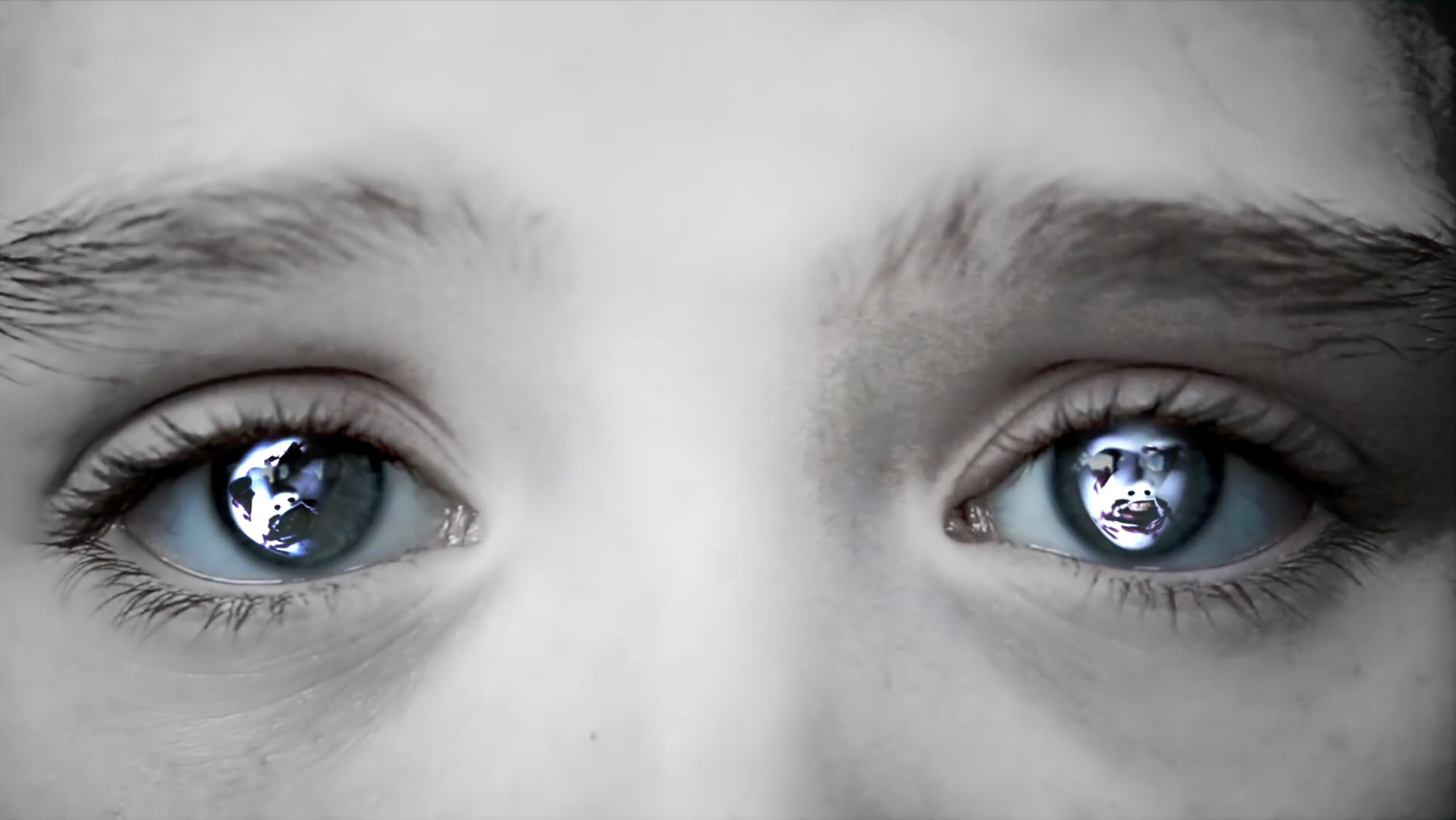
My wife Lucy Champion’s voice became central to the sound of Illumination. She sings the solo on the title track and on “Dormi Jesu”. Her timbre is very particular, a dark, low soprano sound with just a tinge of melancholy. Our daughter Aisling sings the solo on “Cúnnla”, which we later made a video for you can see above. The video is notable as the ghost portrayed wears braces, and that was because the video sections with Aisling singing solo were made the same day the braces were applied, just before she went to the dentist. Her sister Lauren opens “Ah, Robin” with a mysterious breathy vocalese. It was her first recording with the group, and she was eight at the time. Their presence on the album strongly influenced the decision to revisit and reissue the album in 2014. Their presence turned it into something more personal than a standard ANÚNA record. For the first time all four of us appeared together on a recording.
Rachel Thompson’s crystalline soprano voice can be heard across several tracks, most notably in “My Songs Shall Rise” and in the closing piece “Fégaidh uaibh” revisited in 2017 for the epic “Look Away…”, and the clarity of her tone sits at the centre of the texture.
One of the most important performers I have known appears on this recording, violinist Linda Lampenius. We had worked with her previously on the Celtic Origins project in 2007. Linda is a sublime artist. Unfortunately we had not been able to include her on the original Illumination sessions in 2012. I jumped at the opportunity to have her on the reissue of the record in 2014. Her contributions are notable and beautiful, and I am glad that she has continued to collaborate since that time.
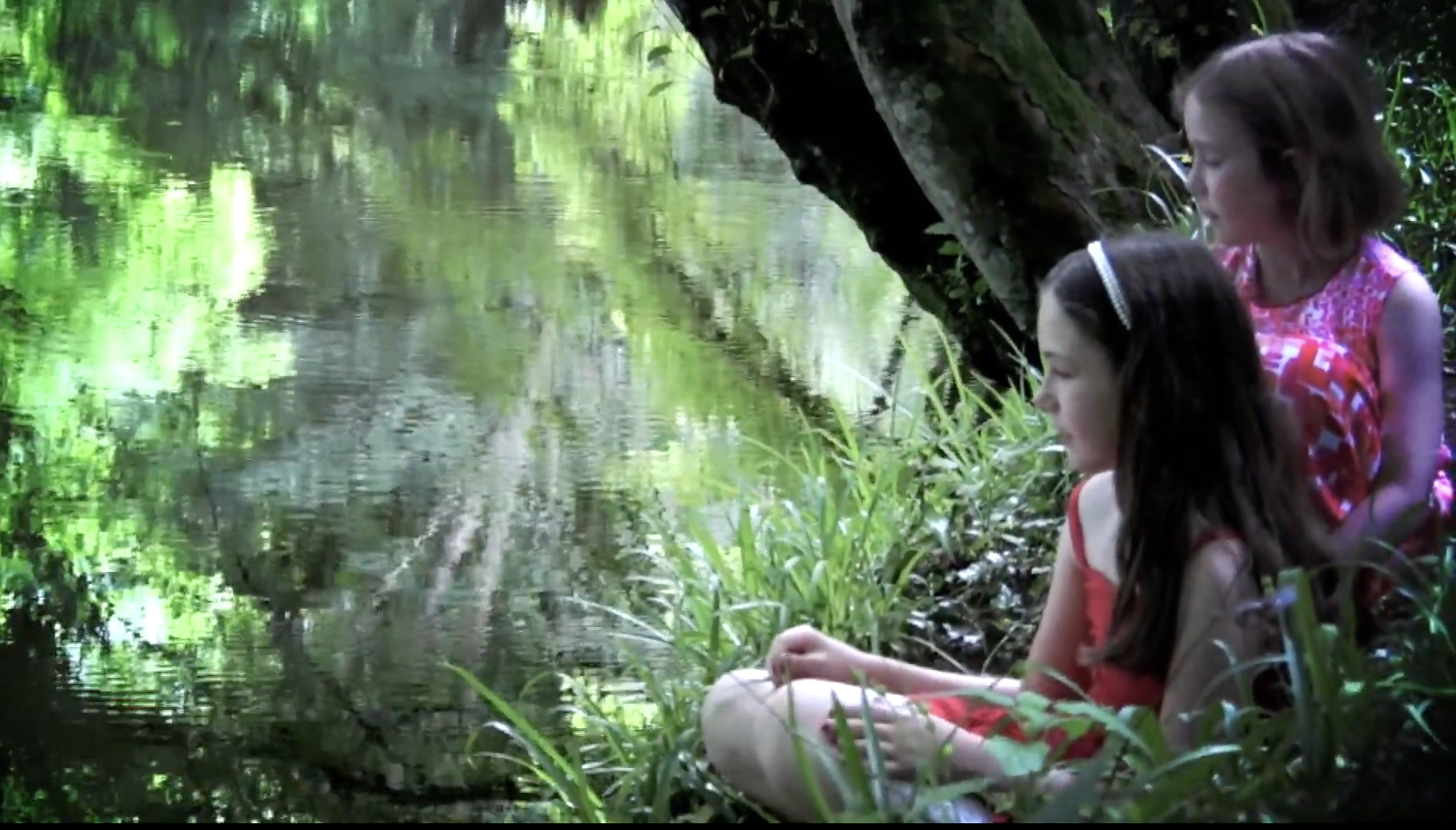
The title work, “Illumination”, was inspired by a gravestone in St Multose Church in Kinsale belonging to James Galwey, who died in 1627. That idea of illumination, both literal and symbolic, gave the album its name. There is a thematic feeling of uncovering and shining light on various ideas and subjects throughout the album. “Mignonne, allons” an arrangement of a medieval melody that sets the poem by Pierre de Ronsard (1524 to 1585) is a good example of that. Lynn Hilary, who provides a virtuosic turn on the shining “Siosuram Só”, provides a stunning descant over the choral texture. The song contains a duet between myself and Aisling and the video version, which also features Lauren, remains one of the most personal moments connected with the recording.
Around this time the composition of the ensemble membership was beginning to change. For most of its history the group had been made up almost entirely of Irish singers. However, new voices were emerging from outside of Ireland, including Sara Di Bella from Italy and Sara Weeda from the Netherlands, alongside an influx of singers from Northern Ireland including Rachel, George Hutton, Dónal Kearney and Zach Trouton. The first singers from the United States among them Nickolas Stoppel and Sam Kreidenweis, and from Slovenia Nejc Rudel and Jan Kuhar. Many of these singers would go on to shape the ensemble significantly in the years to come. ANÚNA was slowly transforming, no longer tied to a single place and gradually evolving into the form it has today
The irony is that during all of this I still did not fully understand what had been happening in the studio throughout the recording process for the album. It was only in 2015 that tests confirmed significant deterioration in the upper range of my hearing. What I had been reacting to during those sessions was not simply a disagreement about mixing but a change in my own perception of sound. That discovery altered the way I look back at the entire project. The two versions of the album now feel like documents of that transition. The first captures the moment when something had already shifted but I did not yet recognise it. The second reflects my attempt to correct a problem I could sense but could not properly identify. In that sense Illumination and Illuminations belong together as a single work, created across four years and marking the end of one phase of ANÚNA and the beginning of another that would eventually lead to the next album, Revelation.
Anúna 2010-2014
Artistic Director Michael McGlynn
Aidan Gately
Aimée Gray
Alice Gildea
Andrew Hozier Byrne
Bláth Conroy Murphy
Charlotte Richardson
Daniel MacManus
Dónal Kearney
Eilis McLoughlin
Elaine Kolshus
Eoghan Desmond
Eunan McDonald
Fiona Flynn
Fraser Wilson
Garrath Patterson
George Hutton
Grace Bergin
Hugo Leeney
Ian Curran
Aisling McGlynn
John McGlynn
Lauren McGlynn
Kim Lynch
Laura Zimmermann Moreau
Lucy Champion
Lynn Hilary
Maeve O Hara
Michael Dawson
Miriam Blennerhassett
Monica Donlon
Patrick Mac Lynn
Rachel Thompson
Rebecca Winckworth
Regina McDonald
Ronan Sugrue
Rory Musgrave
Sara Dennedy
Sara DiBella
Shane Sugrue
Tara McNeill
Victoria Warwick
Zachary Trouton
La Chanson de Mardi Gras
Melody & text traditional Cajun, arranged Michael McGlynn
Les Mardi Gras s'en vient de tout partout,
Tout alentour le tour du moyeu,
Ça passe une fois par an, demandé
la charité,
Quand-même ça c'est une patate, une patate ou des gratons
Les Mardi Gras sont dessus un grand voyage,
Tout alentour le tour du moyeu,
Ça passe une fois par an, demandé
la charité,
Quand-même ça c'est un poule maigre, ou trois ou quatre coton maïs.
Capitaine, capitaine, voyage ton flag,
Allons chez un autre voisin,
Demandé la charité pour les autres qui viennent nous rejoindre,
Les autres qui viennent nous rejoindre,
O uais, au gombo ce soir!
The Mardi Gras come from all around the area,
From all around the town centre,
They come by every year asking for charity
Sometimes it is potatoes, potatoes and pork fat.
The Mardi Gras are on a great journey,
From all around the town centre,
They come by every year asking for charity
Sometimes it's a small chicken, or three or four cobs of corn.
Captain, captain, wave your flag,
We will go to another neighbour's house.
Asking for charity for others who will join us later on,
For others who will join us later
For Gumbo tonight.
Solo vocal Andrew Hozier Byrne
Percussion Noel Eccles, Brian Masterson
Illumination
Text from the tombstone of James Galwey d.1627 at St Multose Cathedral Kinsale, music Michael McGlynn
Quisquis eris qui transieris,
Perlege, sta, et plora;
Eram ut es, eris ut sum;
Pro me, precor, ora.
Whoever you are who passes by,
Stop, read, and weep.
I once was as you are;
You will be as I am.
Pray for me.
Solo voice Lucy Champion
Mignonne Allons
Text Pierre de Ronsard 1524-1585, melody traditional French, arranged Michael McGlynn
Mignonne, allons voir si la rose
Qui ce matin avoit desclose
Sa robe de pourpre au Soleil,
A point perdu ceste vesprée
Les plis de sa robe pourprée,
Et son teint au vostre pareil.
Las ! voyez comme en peu d’espace,
Mignonne, elle a dessus la place
Las! las ses beautez laissé cheoir !
Ô vrayment marastre Nature,
Puis qu’une telle fleur ne dure
Que du matin jusques au soir !
Donc, si vous me croyez, mignonne,
Tandis que vostre âge fleuronne
En sa plus verte nouveauté,
Cueillez, cueillez vostre jeunesse :
Comme à ceste fleur la vieillesse
Fera ternir vostre beauté.
My love, let us go and see whether the rose
Which this morning opened
Its crimson robe to the sun
Has by this evening
Lost the folds of that purple robe
And the colour that matched your own.
Alas, see how in so short a time,
My love, here in this very place,
Alas, alas, her beauty has fallen away.
O truly cruel Nature,
Since such a flower lasts
Only from morning until night.
So if you believe me, my love,
While your youth is still in flower
In its freshest green,
Gather, gather your youth.
For age, like it does to this flower,
Will cause your beauty to fade.
Solo vocals Michael McGlynn, Aisling McGlynn
Descant Lynn Hilary
Guitar John McGlynn
Siosúram Só
Text traditional Irish, music Michael McGlynn
Bhí úcaire mór seang cois Bandan is long aige
Amhráinín siodraimín siosúram só
Gearrchaile’s caidhp uirthi greim aige’r chúl uirthi
Máirtín, cé mór liom é, tráilíream, tráiléiream
Ballaí á bhfuadach ag neart gaoithe, neart gaoithe
Port Láirge’s cuanta, parúsam praedildí
Bhí seanbhean sa tinteán is bannlámh de phíop’aici
Tobac ar an urlár ‘na shúgán mar shúiste ‘ci
Go Baile Chionn tSáile chuaigh Máirtín a’ piobaireacht
Bhailigh bean s’fiche ar mire ‘na thimpeall ann
Lean Molly sa bhád é, ‘s a máthair a tionlacan
Ba ghairid ‘na dhiadh sin go raibh Máirtín ar chrúch’ acu
Tá úcaire mór seang cois Bandan is cúram air
Beirt bhan sa tinteán is cliabhán sa chlúid aige
There was a tall, lean fuller by the Bandon, and he owned a boat.
Amhráinín siodraimín, siosúram só.
He had hold of a young girl, a cap upon her head, gripping her from behind.
Máirtín, dear to me though he is, trá-lí-ream, trá-léiream.
Walls being battered by the strength of the wind, the strong wind.
Waterford harbour and its ports, parúsam praedildí.
There was an old woman by the fireside with a clay pipe in her hand.
Tobacco scattered on the floor, a rope of straw for beating the cloth.
Máirtín went off piping to Kinsale.
Twenty women gathered around him in a frenzy.
Molly followed him to the boat, her mother going with her.
It was not long after that before they had Máirtín cornered.
Now the tall, lean fuller by the Bandon has responsibilities.
Two women by the hearth and a cradle wrapped in cloth.
Solo vocal Lynn Hilary
Dedicated to Free Design and the memory of Chris Dedrick.
Dormi Jesu
Text traditional, music Michael McGlynn
Dormi Jesu Mater ridet,
quae tam dulcem somnum videt,
Dormi Jesu blandule.
Si non dormis, mater plorat.
Inter fila cantans orat:
Blande veni somnule.
Sleep, Jesus. Your mother smiles
when she sees such gentle rest.
Sleep, dear little Jesus.
If you do not sleep, your mother weeps.
As she spins her thread she sings and prays,
“Come softly, gentle sleep.”
Solo vocal Lucy Champion
Commissioned by Kultursamverkan Svenska kyrkan
Scarborough Fair
Traditional English, arranged Michael McGlynn
Are you going to Scarborough Fair?
Parsley, sage, rosemary and thyme,
Remember me to one who lives there,
She once was a true love of mine.
Tell her to make me a cambric shirt,
Parsley, sage, rosemary and thyme,
Without any seam nor needlework,
Then she'll be a true love of mine
Ask him to find me an acre of land,
Parsley, sage, rosemary and thyme,
Between the salt water and the sea-sand,
Then he'll be a true love of mine.
When he has done and finished his work,
Parsley, sage, rosemary and thyme,
Ask him to come for his cambric shirt,
Then he'll be a true love of mine.
Tell her to wash it in yonder dry well
Parsley, sage, rosemary and thyme,
Where ne'er a drop of water e'er fell
Then he'll be a true love of mine.
Violin solo Linda Lampenius (Tara McNeill on the 2012 edition)
Guitar John McGlynn
Concert harp Andreja Malir
Cúnnla
Text traditional Irish, music Michael McGlynn
"Cé hé siúd thíos atá ‘leagan na gclaíocha?"
"Mise mé féin," a deir Cúnnla.
"Cé hé siúd thíos atá ‘tarraingt na pluide dhíom?"
"Mise mé féin," a deir Cúnnla.
"Cé hé siúd thíos atá ‘tochas mo bhonnachaí?"
"Mise mé féin," a deir Cúnnla.
”’Chúnnla, a chroí, ná tar níos goire dhom!"
"M’anam go tiocfaidh!" a deir Cúnnla.
Who is that down below knocking at the stone walls?
“It is I,” says Cúnnla.
Who is that down below pulling the blanket from me?
“It is I,” says Cúnnla.
Who is that down below tickling the soles of my feet?
“It is I,” says Cúnnla.
“Cúnnla, my dear, do not come any closer to me.”
“By my soul, I will,” says Cúnnla.
Solo vocal Aisling McGlynn (Bláth Conroy Murphy on the 2012 edition)
Bodhrán Pádraig Ó Dúbháin
Fionnghuala
Melody & text traditional Scottish, arranged Michael McGlynn
Thuirt an gobha fuirighidh mi
'S thuirt an gobha falbhaidh mi
'S thuirt an gobha leis an othail
A bh' air an dòrus an t-sàbhail
Gu rachadh e a shuirghe.
'Si eilean nam bothan nam bothan
Am bothan a bh' aig Fionnghuala
Bheirinn fead air fulmairean
Bheirinn fead air falmairean
Liuthannan beaga na mara
Bheireamaid greis air an tarrainn
Na maireadh na duirgh dhuinn
Cha d'thuirt an dadan a' seo
Bheireamaid greis air an tarrainn
Na maireadh na duirgh dhuinn
The blacksmith said he would stay.
The blacksmith said he would go.
And the blacksmith, in his hurry
As he reached the door of the barn,
Said he was away courting.
It is the island of the bothies, the bothies,
The bothy that belonged to Fionnghuala.
I would outdo the cormorants.
I would outdo the dogfish.
The little pollock of the sea.
We would spend a while hauling them in
If our hand lines held.
We got nothing here.
We would spend a while hauling them in
If our hand lines held.
Solo vocal John McGlynn
Ah, Robin
William Cornysh 1465-1523, English, ed. Michael McGlynn
Ah, Robin, gentle, Robin,
Tell me how thy leman doth
and thou shalt know of mine.
My lady is unkind I wis,
Alack why is she so?
She lov'th another better than me,
and yet she will say no.
I cannot think such doubleness
for I find women true,
In faith my lady lov'th me well
she will change for no new.
Solo vocal Lauren McGlynn, Lucy Champion, Sara Di Bella, Aisling McGlynn
(Lucy Champion, Tara McNeill, Rachel Thompson on the 2012 edition)
Metal strung harp Michael McGlynn
Fegaidh Uaibh
Text 9th century, music by Michael McGlynn
Fégaid úaibh sair fo thuaid
in muir múaid mílach,
adba rón rebach, rán,
ro-gab lán línad.
Look eastwards from here
Over the great teeming ocean,
Where the lively seal has its dwelling,
And the tide has swollen to fullness.
Violin solo Linda Lampenius (Tara McNeill on the 2012 edition)
Solo vocal Rachel Thompson
Summer Song
Music and lyrics by Michael McGlynn
On Shannon bank I wandered one May
Where the violet waters run
There the yellow petals of primrose doth lay
'Neath the warmth of the morning sun.
Golden light, gentle rain falling from above
With a beauty beyond compare,
Sweeter than the violin the language of love
In the heart of my true love fair.
There I spied a fair young maid
Like a rose in its richest bloom,
And her raven hair with blossom arrayed
Filled the air with a sweet perfume
Silver stream, summer song calling from above
With a beauty beyond compare.
Sweeter than the violin the language of love
In the heart of my true love fair.
This jewel bright, this flower fair
She consented to be my bride.
Ten years have passed still none compare
To her loveliness by my side.
Golden light, gentle rain falling from above
With a beauty beyond compare,
Sweeter than the violin the language of love
In the heart of my true love fair.
Solo vocal Dónal Kearney
Commissioned by Rajaton, grant aided by The Arts Council of Ireland
Agincourt
Music & text 15th century English, arranged Michael McGlynn
Deo gratias Anglia redde pro victoria
England, give thanks to God for victory
Owre Kynge went forth to Normandie
With grace and myght of chyvalry
Ther God for hym wrought mervelusly;
Wherefore Englonde may call and cry, Deo gratias.
He sette sege, forsothe to say,
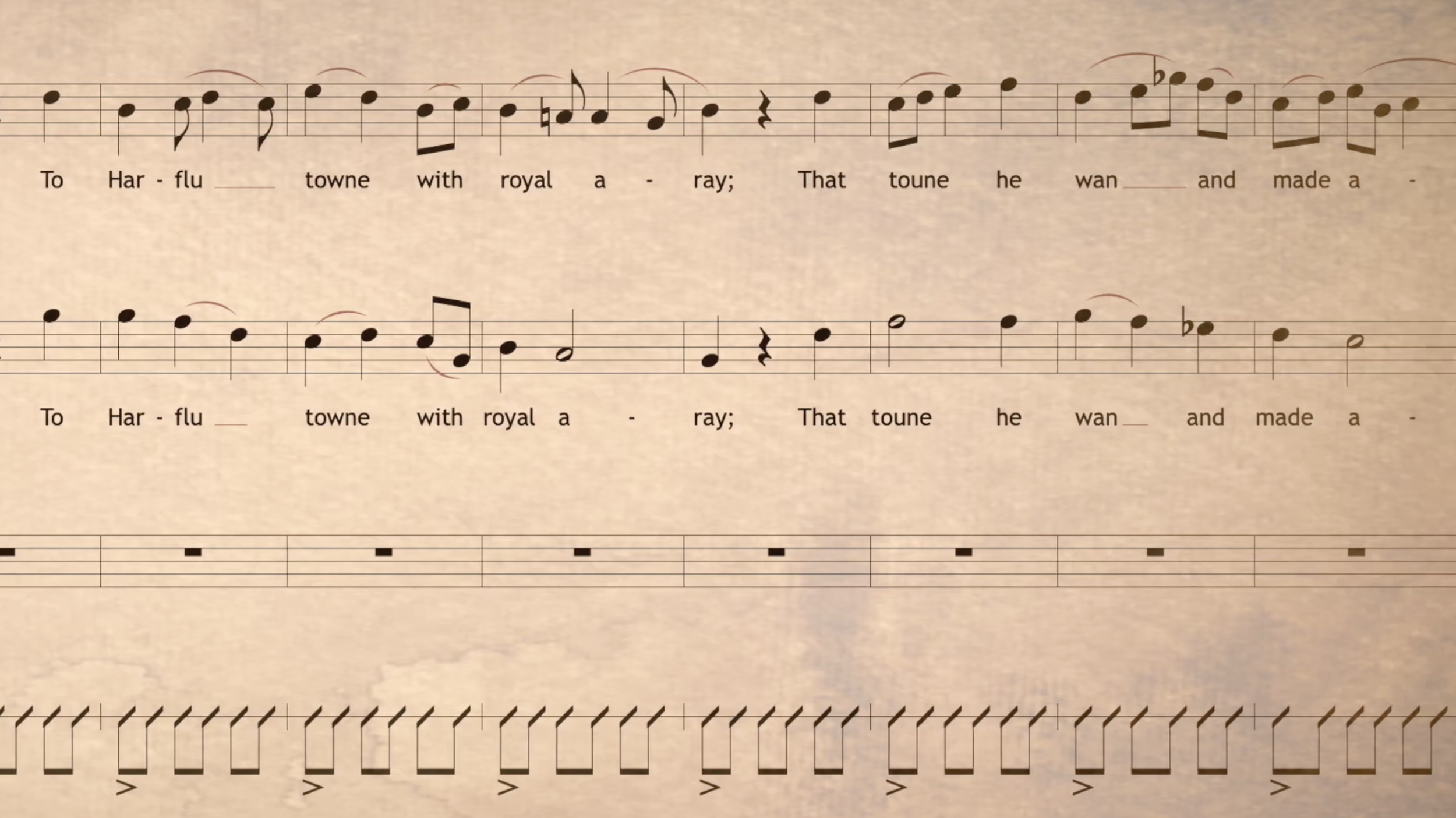
To Harflu towne with ryal aray;
That toune he wan and made afray
That Fraunce shal rewe tyl domesday. Deo gratias.
Then went hym forth, owre king comely,
In Agincourt field he faught manly;
Throw grace of God most mervelusly,
He had both field and victory. Deo gratias.
Ther lordys, erles and barone
Were slayne and taken and that full soon,
Ans summe were broght into Lundone
With joye and blisse and gret renone. Deo gratias.
Almighty God he keep owre kynge,
His peple, and alle his well-wyllynge,
And give them grace wythoute endyng;
Then may we call and savely syng, Deo gratias.
Solo vocals Michael McGlynn, Ronan Sugrue
Percussion Noel Eccles
My Songs Shall Rise
Text Francis Ledwidge 1887-1917, from “The Place”, music Michael McGlynn
When I leave down this pipe my friend
And sleep with flowers I loved, apart,
My songs shall rise in wilding things
Whose roots are in my heart.
And here where that sweet poet sleeps
I hear the songs he left unsung,
When winds are fluttering the flowers
And summer-bells are rung.
Solo vocal Rachel Thompson
Commissioned by the Frost Chorale, University of Miami, Florida
Greensleeves
Traditional English, arranged Michael McGlynn
Alas my love, you do me wrong,
to cast me off discourteously:
And I have loved you so long
Delighting in your companie.
Greensleeves was all my joy
Greensleeves was my delight,
Greensleeves was my heart of gold,
And who but my lady Greensleeves.
I have been ready at your hand,
To grant whatever you would crave,
I have both wagered life
and land,
Your love and goodwill for to have.
Violin solo Linda Lampenius (Tara McNeill on the 2012 edition)
Solo vocal Michael McGlynn
Harp Andreja Malir
Danny Boy
Frederic Weatherly (1848 - 1929), arranged Michael McGlynn
O Danny boy, the pipes, the pipes are calling
From glen to glen and down the mountainside
The summer's gone and all the roses falling
'Tis you, 'tis you must go and I must bide.
But come ye back when summer's in the meadow
Or when the valley's hushed and white with snow
'Tis I'll be here in sunshine or in shadow
O Danny boy, O Danny boy, I love you so.
But if ye come and all the flowers are dying
If I am dead, as dead I well may be,
You'll come and find the place where I am lying
And kneel and say an "Ave" there for me.
And I shall hear, though soft, your tread above me
And all my grave shall warmer, sweeter be
For you will bend and tell me that you love me
And I will sleep in peace until you come to me.